Electronic Signature Guide for Lawyers and Law Firms in UK
Learn how electronic signature help lawyers save time, protect documents, meet legal rules, and sign securely with confidence every day.
Posted On: 8/4/2026
Created By: XignDoc

Learn how electronic signature help lawyers save time, protect documents, meet legal rules, and sign securely with confidence every day.
Law firms manage a constant flow of legal documents, from client agreements and engagement letters to contracts, affidavits, witness statements, and consent forms. Traditionally, obtaining signatures required printing documents, arranging in-person meetings, mailing paperwork, and waiting days or even weeks for signed copies to be returned. These manual processes often delayed case progress and increased administrative workload. Electronic signature has transformed the way legal professionals handle document execution.
They enable lawyers and clients to sign documents securely from virtually anywhere, significantly reducing turnaround times while maintaining compliance, security, and professionalism. Whether you’re a solo practitioner or part of a large legal practice, adopting electronic signatures can improve operational efficiency, enhance the client experience, and accelerate document management.
In this guide, we explain everything lawyers and law firms need to know about electronic signatures. You’ll learn what an electronic signature is, how it works, and how it differs from a digital signature. By the end of this guide, you’ll understand how electronic signatures can simplify document management, improve the client experience, and support a more efficient, paperless practice management integration.
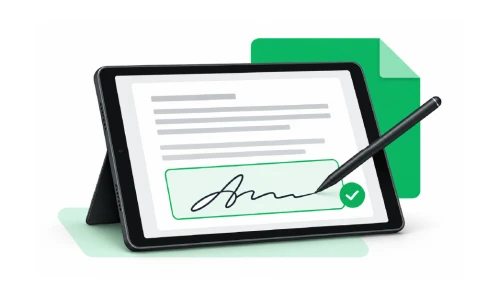
An electronic signature is simply a digital way of showing someone agrees with a document. Rather than signing with a pen, the person signs online through a secure system, and that signature becomes attached to the document as proof of agreement. Depending on the tool, it might be a typed name, a signature drawn with a finger or mouse, a scanned copy, or a fully verified digital signing process.
Many industries use electronic signing, but it's especially useful for legal work, since lawyers deal with contracts, agreements, and confidential paperwork that all need quick sign-off. Instead of printing and posting, the whole thing can happen online from anywhere.
Not every electronic signing method gives the same level of protection. Some tools just capture a signature image. Others add identity checks, encrypted records, timestamps, and a full audit trail. For legal work, pick a solution built around strong security rather than the cheapest option.
An e-signature (electronic signature) is a secure digital method of signing documents online. The process begins when a lawyer uploads a document to signing software, marks where each person needs to sign, adds the recipient's email, and hits send. The client gets a secure link, opens the document, reads it over, and signs electronically. Once everyone's signed, each person gets a copy of the finished document automatically.
Most professional e-signature platforms also generate a comprehensive audit trail throughout the signing process. This audit log records essential details such as the date and time of each signature, participant email addresses, authentication steps, and document activity. If questions arise regarding when, how, or by whom a document was signed, the audit trail provides a verifiable record that helps support the document's authenticity and compliance. For law firms, these features enhance transparency, improve document security, and simplify legal recordkeeping.
Legal work isn't stuck to office hours or in-person meetings anymore. Clients want fast replies and digital tools that slot into their day, and that's a big part of why e-signatures have become so useful for law firms.
Remote working has changed how lawyers operate too. You might be in court one day and meeting clients across town the next, and electronic signing keeps documents moving even when nobody's in the same room.
Speed matters here as well. The old way- printing, scanning, posting, arranging meetings- adds a step every time, and each step is a chance for delay. Clients also like the flexibility of reviewing something on a lunch break or on a train, which usually means faster replies and fewer missed deadlines.
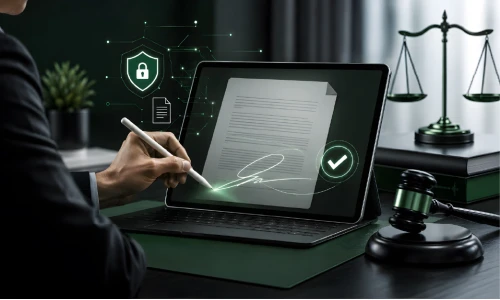
Security is a real advantage too. Good signing platforms use encryption, access controls, and detailed audit logs for sensitive information, so there’s less chance of paper files going missing or being seen by the wrong person.

Many people assume that digital signatures and electronic signatures are the same, but they are different. An electronic signature is the broad term, covering any electronic way of showing agreement, whether that's typing a name, drawing a signature on a touchscreen, or using dedicated software.
A digital signature is more specific. It uses encryption to check both the identity of the signer and whether the document has been changed since signing, building a secure certificate tied to that person, so if someone tries to edit the document afterwards, the verification process picks it up.
For law firms handling sensitive matters, a secure digital signature for lawyers adds a useful layer of protection, giving more confidence when dealing with important records, like a power of attorney digital signing process. Every digital signature counts as an electronic signature. Most legal software supports both, so firms can match the right method to the right document.
One of the most common questions law firms receive is whether e-signatures are legally enforceable. In most cases, the answer is yes. An e-signature is generally considered legally binding when it demonstrates the signer’s intent to agree to the document, all parties consent to using electronic signatures, and the signing process complies with the applicable legal requirements.
The legal validity of an electronic signature depends on factors such as the jurisdiction, the type of document being signed, and the regulations governing the transaction. While many contracts, agreements, and business documents can be executed electronically, certain legal documents in some jurisdictions may still require handwritten signatures, notarisation, or additional witnessing.
For this reason, law firms should use a trusted e-signature solution such as XignDoc that is designed with security, compliance, and legal document management requirements in mind.
Electronic signing makes every day legal work smoother for clients too.
Here's what changes once you start using it:
Another often-overlooked benefit of e-signatures is easier document management. Lawyers can find signed documents in seconds instead of searching through paper files, saving time, reducing administrative workload, and lowering reliance on physical storage.
Legal work runs on accuracy, trust, and getting things done on time. Every unnecessary delay risks slowing a case down or frustrating a client. An electronic signature removes a lot of the small friction points that usually show up during document approval. Clients like being able to sign wherever they happen to be, without a printer or a courier involved.
It helps the firm internally too. Staff spend less time chasing unsigned paperwork, and more time on work that actually matters to the client. Something like a retainer agreement eSignature can be wrapped up far quicker through secure electronic signing, so the firm can get started on the case sooner.
Some matters demand power of attorney digital signing, where the law allows it to be done electronically. Using a secure platform with identity checks and full audit records keeps things compliant and gives everyone confidence in the process. At the end of the day, it saves time without compromising on professionalism.
Creating an electronic signature is much easier than many people expect. Modern e-signature platform such as XignDoc is designed to guide users through each step, making the process simple and accessible.
The process typically involves the following steps
With a reliable e-signature solution, law firms can simplify document execution, reduce paperwork, and complete agreements faster while maintaining a secure and professional signing experience.
Sending confidential legal paperwork takes more care than just attaching a file to an email. Law firms handle sensitive personal information constantly, so protecting it should never be an afterthought. A secure document-sharing platform cuts down a lot of common risks, letting lawyers share encrypted access that only the right person can open, with permissions, identity checks, and activity tracking added on top.
Some best practices for securely sending legal documents include:
Staff training plays an important role in secure document management. The effectiveness of any e-signature solution depends on the people using it, so law firms should combine the right technology with clear internal guidelines and best practices.
A lawyer uploads a document to signing software, marks where each person needs to sign, adds recipient emails, and sends it. The client opens a secure link, reviews the document, and signs electronically. Once everyone has signed, each party receives a copy of the finished document, along with an audit trail recording dates, times, and authentication steps.
Clients expect fast digital service, and remote working means lawyers aren't always in the same room to exchange paperwork. E-signatures speed up document turnaround, reduce delays from printing and posting, and use encryption and audit logs to keep sensitive information secure.
An electronic signature is a broad term covering any electronic way of showing agreement. A digital signature is more specific — it uses encryption to verify the signer's identity and check whether the document has been altered since signing, using a secure certificate tied to that person.
Yes, in most cases. An e-signature is generally legally binding when it shows the signer's intent, all parties consent to signing electronically, and the process meets applicable legal requirements. However, validity depends on jurisdiction and document type, and some documents may still need handwritten signatures, notarisation, or witnessing.
Benefits include faster document approvals, less printing and posting, better organisation through digital storage, stronger security with encryption and audit trails, easier collaboration with international clients, lower costs, and less admin work for staff.
Best practices include sharing documents through encrypted platforms, adding authentication to protect files, limiting access to authorised people, keeping audit logs of every action, and setting expiry dates on document links.
In some cases, yes, where the law allows it. These matters need closer attention since requirements vary, and using a secure platform with identity checks and full audit records helps keep the process compliant.
If there’s anything we haven’t covered here or you have any specific questions about your account, just let us know and we’ll be happy to answer them. If you’re not a customer yet but curious about our plans, contact us