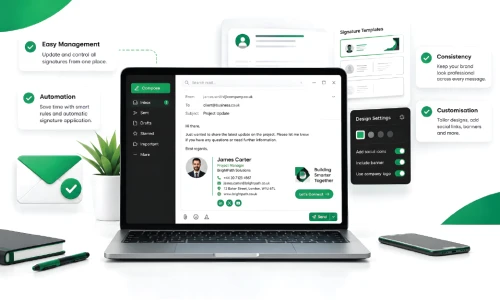
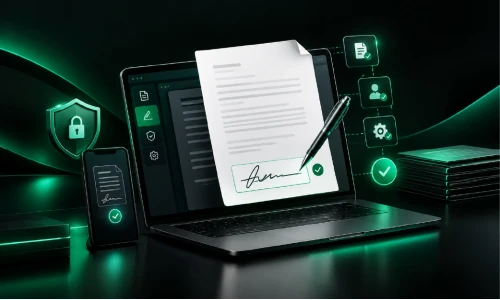
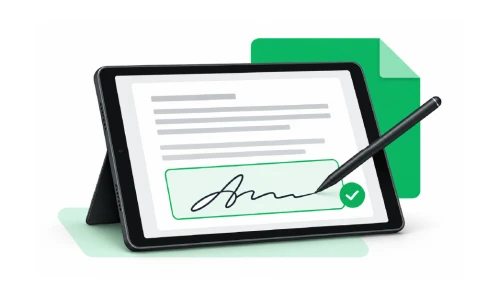
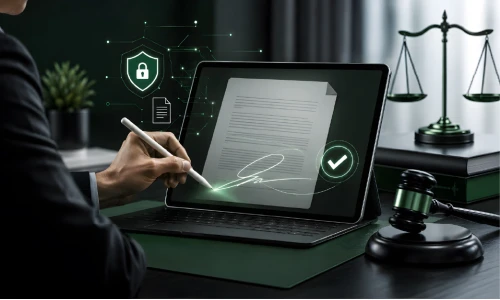
Businesses across the UK are increasingly replacing paper-based processes with secure digital workflows. An email signature can help create a consistent professional identity, while an e Signature can make contracts, agreements, approvals, and other documents easier to complete.
However, choosing the right solution involves more than simply adding a signature to a document. Businesses should consider security, authentication, audit trails, compliance, usability, and legal requirements.
Who Provides the Best Email Signature Software in the UK?
Choosing the right email signature software depends on what a business needs from its digital communication and document workflows. A strong platform should support a professional email signature while also helping organisations maintain consistent branding, secure communications, and efficient document processes. Businesses should look for features such as customisation, ease of use, integrations, security controls, and centralised management. For companies that also need electronic document signing, combining professional communication with secure signing workflows can simplify everyday operations.
XignDoc is particularly useful for UK businesses that want to move beyond traditional paper processes and manage electronic signing online. The platform allows users to send documents for e signature, monitor progress, receive notifications, and manage completed documents from a central environment. It also supports integrations with tools such as Microsoft Word and Google Drive, helping businesses incorporate electronic signing into familiar workflows.
What is an eSignature with Audit Trail?
An e signature with audit trail creates a chronological record of activity associated with a digitally signed document. Instead of relying only on a visual signature, an audit trail can record important events such as when a document was sent, opened, signed, and completed. This information can provide useful evidence when businesses need to demonstrate how a signing process occurred. It can also improve internal accountability by giving authorised users a clearer history of document activity.
A good signing platform should make these records easy to access and associate them with the relevant document. XignDoc provides audit trail functionality that records actions such as who signed a document, when the signing activity occurred, and other relevant process information. This can be valuable for businesses handling contracts, HR documentation, agreements, approvals, and other records where transparency is important.
What are the Types of Digital Signature?

A digital signature is not simply a picture of a handwritten signature. In technical terms, digital signatures use cryptographic methods to help verify the signer and the integrity of signed information. The three main regulated levels are simple electronic signatures, advanced electronic signatures, and qualified electronic signatures. The best choice depends on the specific document and the level of assurance required.
Electronic signatures are a broader category that can include typed names, drawn signatures, uploaded signature images, or other electronic methods demonstrating an intention to authenticate a document. Understanding the difference helps businesses select the right technology for different transactions.
When users create digital signature workflows, they should consider who needs to sign, how the signer will be authenticated, whether an audit trail is required, and whether the document has special legal or regulatory requirements. In practice, electronic signatures can range from simple signing methods to more advanced and qualified approaches.
What are the Legally Acceptable Digital Signatures?
The phrase legally binding electronic signatures does not mean that every document can be signed in exactly the same way. In the UK, an electronic signature can generally be used to execute a document where the signer intends to authenticate it and any required formalities are satisfied. Some documents may have additional requirements, such as witnessing, prescribed signing methods, or specific regulatory procedures. Businesses should therefore assess the document before deciding which signing method to use.
Court admissible electronic signatures can be supported by evidence showing the identity or actions of the signer and their intention to authenticate the document. The Law Commission has confirmed that electronic signatures can be admissible in legal proceedings, including as evidence concerning identity and intention. Strong authentication, timestamps, audit trails, access controls, and document integrity measures can therefore strengthen a signing process, although they cannot guarantee the outcome of a legal dispute.
Identity Verification for e Signatures in the UK
Identity verification is an important consideration whenever a business needs greater confidence that the correct person is accessing and signing a document. XignDoc provides security features designed to support signer verification, including two-factor authentication and password-protected document access. A one-time code can help ensure that the person accessing a signing link is authorised to view and sign the document. This can complement signature verification by adding another layer of confidence to the overall signing workflow.
What is eIDAS Regulation?
The eIDAS regulation is a European Union legal framework that establishes rules for electronic identification and trust services used in digital transactions. eIDAS stands for electronic Identification, Authentication and trust Services. It was introduced to create greater trust in electronic transactions and provide a common framework for electronic signatures, electronic seals, timestamps, electronic identification, and other digital trust services across the EU.
eIDAS Compliance Explained
eIDAS compliance involves using electronic identification and trust services in a way that meets the applicable requirements of the eIDAS framework. The regulation distinguishes between three levels of electronic signatures i.e. simple electronic signatures, advanced electronic signatures, and qualified electronic signatures. Each level has different requirements and provides a different degree of assurance. Businesses should select the appropriate signing method based on the nature and risk of the transaction.
What is the Best software for Verifying Signatures?
For businesses looking for the best e sign software for verifying signatures, XignDoc is a strong option for secure email signature & e signature. It combines signer identity verification, authentication, audit trails, encryption, and electronic signature workflows in one platform. XignDoc supports two-factor authentication and password-protected documents, helping businesses ensure that only authorised recipients can access and sign sensitive documents.
What is the Best Docusign Alternative in the UK?
For UK businesses looking for a Docusign alternative UK, XignDoc is a strong option for organisations that want secure, straightforward electronic document signing. XignDoc allows businesses to send contracts, agreements, approvals, and other documents for electronic signature without relying on printing, scanning, or posting paperwork.
One of the reasons that businesses consider XignDoc as one of the best Docusign alternative is its focus on making the signing process simple for both senders and recipients. Documents can be sent through a protected email link, while recipients can sign without downloading dedicated software or creating an account. Businesses can also receive notifications when documents are opened, signed, or completed, making it easier to monitor important agreements.
Top Docusign Alternatives and Competitors to Consider
When reviewing Docusign competitors, businesses should compare the features that directly affect their signing process rather than relying only on brand recognition. Consider authentication options, audit trails, document storage, integrations, mobile signing, workflow automation, security, pricing, and the type of support provided. It is also worth checking whether the platform can handle the documents and transaction volumes your organisation expects.
Among the Docusign alternatives available to UK businesses, XignDoc is designed to provide a streamlined approach to electronic signing. Its features include multiple signing options, document management, real-time notifications, audit trails, identity verification, encryption, and integration capabilities. Users can type, draw, or upload a signature, while businesses can monitor the progress of documents from sending through completion.
Conclusion
An effective email signature helps businesses present a consistent professional identity, while an e Signature platform can transform the way contracts, agreements, approvals, and other documents are completed. Modern businesses should look beyond basic signature placement and evaluate authentication, audit trails, document integrity, security, integrations, and regulatory requirements.
For organisations comparing electronic signing platforms, the best choice is the one that matches the risk, compliance, workflow, and user-experience requirements of the business. XignDoc combines electronic signing with document management, identity verification, notifications, and integrations to support digital workflows for UK businesses.
Frequently Asked Questions
Why should UK businesses move from paper-based signing to digital workflows?
Paper-based processes involve printing, scanning, and posting documents, which slows approvals and creates extra costs. Digital workflows let businesses send documents for signing electronically, track progress in real time, and manage everything from one central platform.
How does XignDoc help with branding and professional communication?
XignDoc supports customisation, consistent branding, and secure communication alongside electronic signing. This lets businesses combine a professional email signature with document workflows in one system, rather than using separate tools.
Why is an audit trail important for businesses handling contracts and HR documents?
An audit trail gives a clear record of who accessed, opened, and signed a document, and when. For contracts, HR paperwork, and approvals, this transparency helps businesses demonstrate how a signing process took place if it's ever questioned.
What's the difference between a simple electronic signature and a qualified electronic signature?
Simple electronic signatures offer a basic level of assurance, while advanced and qualified electronic signatures use stronger authentication and cryptographic methods to verify signer identity and document integrity. The right level depends on the risk and requirements of the transaction.
Can electronic signatures be used as evidence in UK legal proceedings?
Yes. The Law Commission has confirmed that electronic signatures can be admissible in legal proceedings, including as evidence of identity and intention to authenticate a document. However, some documents may still require witnessing or specific formalities.
What integrations should businesses look for in eSignature software?
Useful integrations include tools businesses already use, such as Microsoft Word and Google Drive. This helps electronic signing fit into existing workflows instead of requiring a completely separate process.
What factors matter most when comparing Docusign alternatives?
Beyond brand recognition, businesses should compare authentication methods, audit trails, document storage, mobile signing, workflow automation, integrations, security, and pricing — and confirm the platform can handle their expected document volume.
If there’s anything we haven’t covered here or you have any
specific questions about your account, just let us know and we’ll be happy to answer them. If
you’re not a customer yet but curious about our plans, contact
us